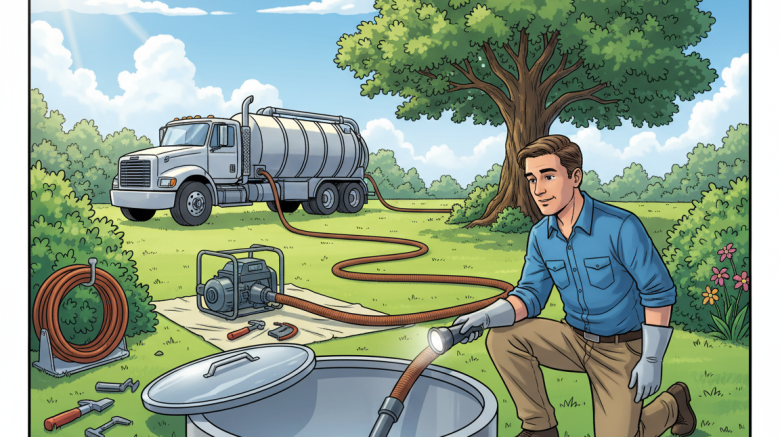
Did you know that over 25% of all residential system failures stem from a failure in consistent upkeep? This surprising statistic underscores a common problem for many property owners.
Third-party source about septic pumping

Independent source about septic pumping

As noted here about septic pumping
For those living with an backyard sewage unit, knowing the proper pumping frequency is not just a suggestion—it’s essential for safeguarding your asset and your property.
A frequent error is to view this utility as a set-it-and-forget-it item. In reality, it is a biological component of your land that requires ongoing checks to function correctly.
Following a solid care schedule prevents catastrophic blockages, foul smells, and costly emergency fixes. This article will guide you to find the ideal timeline for your home’s unique requirements.
Specialists like Septic Services of LA provide the professional guidance and trustworthy care necessary to ensure smooth operation for years to come.
Key Takeaways
- Regular upkeep is critical to prevent system failure.
- The number of residents and water usage decide your ideal service schedule.
- Overlooking maintenance can result in costly damage and health risks.
- maintaining a log of maintenance history is a crucial aspect of good ownership.
- Expert providers provide the expertise needed for optimal system performance.
- This post will cover the primary variables and red flags you should understand.
Understanding Your Septic System
Under your yard lies a sophisticated treatment facility that treats all domestic waste naturally. This underground system is made up of three main working parts that work in unison.
The primary unit is the septic tank itself, where all household waste initially collects. Then there is the drain field, which disperses treated liquid into the ground. The dirt functions as the final natural filter.
As sewage flows into the container, gravity starts separating the contents. Heavy solids settle down, forming a layer called sludge. Lighter materials like oils rise to the top, forming a floating mat.
The center zone holds clarified liquid called effluent. This partially treated fluid subsequently exits to the drain field for further treatment.
Good microorganisms in the system and the ground are essential in breaking down waste materials. These microorganisms aid in safeguarding groundwater quality by destroying harmful components.
Grasping how this works shows why periodic maintenance becomes necessary. The experts from Septic Services of LA can explain how your unit functions during their professional visits.
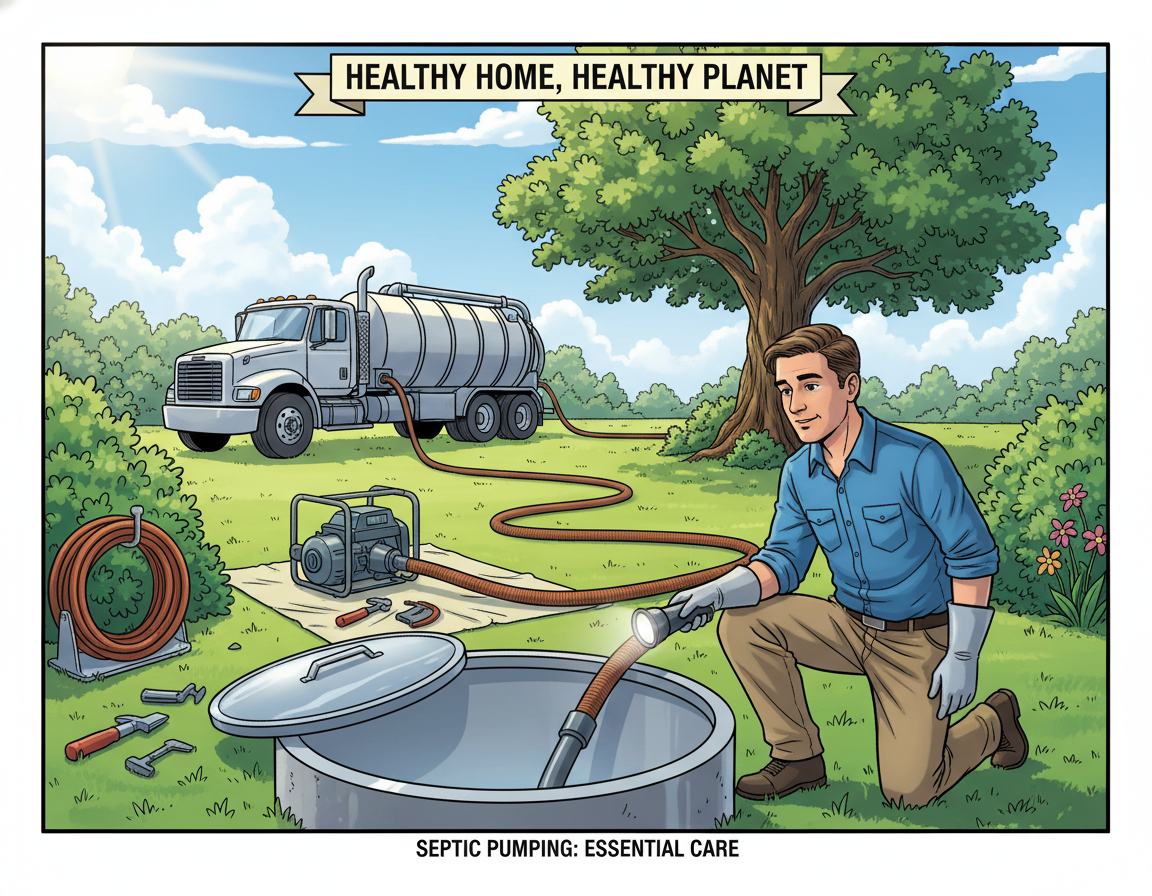
Factors Impacting Septic Tank Pumping Frequency
Your home’s unique characteristics have a big impact in determining the right maintenance schedule. How many individuals living in your house impacts the speed of sludge buildup.
Larger families create more showers, washing machine cycles, and toilet flushes. All these activities contribute to more rapid accumulation of your underground treatment unit.
Your tank capacity is equally important. High-capacity systems can hold more solids and require less frequent attention than smaller ones for the same household size.
| Family Element | Minimal Use Case | Intense Usage | Service Schedule |
|---|---|---|---|
| Number of Residents | 1-2 people | Large family | 3-5 yr vs. 1-2 yr |
| Unit Size | Large tank | Standard size | Less frequent vs. More frequent |
| Water Usage | Low flow | High daily consumption | Extended timeline vs. Shorter intervals |
| Solid Waste Load | No disposal usage | Heavy disposal use | More time vs. Less time |
Being water-wise and appliance efficiency also change your timeline. Vintage tanks or those showing wear might require inspections more often.
Septic Services of LA examines every factor when they inspect. They build tailored strategies that avoid wasting money on pumps while avoiding system problems.
Correct assessment helps homeowners save money while keeping the tank safe. Tailored timelines ensure optimal performance for your unique needs.
Identifying Signs Your Septic Tank Needs Pumping
Your wastewater system communicates when it needs help using distinct warnings on the property. Seeing these red flags can stop big problems and avoid expensive repair bills.
Slow drains all over the home that resist standard unclogging often signal the first warning. If several sinks and tubs are slow, the tank may be reaching capacity.
Bad smells around the tank lids or leach area suggest gas leakage from an overfull container. These smells mean waste isn’t properly contained.
Puddles or super lush lawn spots over the leach lines show that effluent isn’t absorbing properly. Gurgling plumbing sounds and slow-flushing toilets also hint that immediate service is likely needed.
Homeowners can check levels with a sludge judge or stick to check the solid layer. When the dark material reaches 12 inches at the bottom or scum is 6 inches thick, professional attention is required.
Nevertheless, removing the lid is risky. Septic Services of LA offers thorough inspections that keep you safe and give precise results with photo documentation of actual conditions.
Professional checking finds issues prior to disasters, making sure the unit receives proper care at the right time.
Ideal Service Timeline For Your Property
Residents frequently query at what intervals their septic setup needs service. Common advice is that most units need service every 3-5 years. This serves as a starting point not a hard law.
Your individual case determines the perfect schedule. A 4-person home with a typical tank size typically needs attention every two and a half to three years. Smaller containers with the same people might need faster cleaning.
| Residents Count | Volume | Avg Frequency | Measurement Method |
|---|---|---|---|
| Single/Couple | 750-1,000 | Long interval | Measure sludge/scum levels |
| 3-4 people | 1,000-1,500 | Medium interval | Monitor base layer |
| 5+ people | Huge | 1-3 years | Pump at 6″ scum |
Fixed intervals are less accurate than condition-based schedules. Some property owners pump their tanks too frequently. This wastes money and hurts the good bugs.
The bacteria require a few weeks to rebuild colonies. Excessive attention can damage the natural waste breakdown process. The most effective approach bases decisions on real data.
Septic Services of LA creates personalized schedules using professional inspections. They examine your tank’s state and household patterns. Their experts keep good logs to establish the best dates for next time.
Best Practices For Tank Pumping And Upkeep
Simple daily habits can significantly lengthen the lifespan of your septic system. The experts at Septic Services of LA stress that every drop from the drains goes into the tank. Proper care helps keep septic components functioning optimally for decades.
Saving water is vital in upkeep. Shower quickly and repair drips fast. Use appliances only with full loads to reduce strain on the tank.
Watch what you flush. Don’t dump oil, toxics, or plastic down the drain. Your toilet is only for human waste and toilet paper—not household trash.
Guard the leach area by moving downspouts away from the area. Don’t drive cars on the drain field. Keep trees and large shrubs far away to prevent root damage.
Routine checks periodically spot minor problems prior to costly failure. Adhering to these tips will maintain tank health and maximize time between pump-outs.
Practical How-To Steps For Preparing Your Septic Tank Pumping
Getting ready early makes a difference when it’s time for the service appointment. Proper preparation guarantees the crew from Septic Services of LA can do the job fast and well.
Begin by finding your buried tank. Look at house plans or trace the pipe leaving the house. Most systems are located 10 to 25 ft away from the foundation.
Clean up the spot of obstacles prior to arrival. Move stones and pots, and cut back bushes. Ensure the service truck has easy access to the site.
If the access port is buried, uncover it yourself to save time. The pros can dig it if necessary. The cleaning job typically takes half an hour for a standard tank.
During the service, the techs inspect components including baffles and pipes. They check for cracks or damage as they pump it out. Costs generally range between $300 and $600 depending on various factors.
Being present during the appointment allows technicians to answer questions and provide maintenance recommendations. Septic Services of LA provides thorough documentation to assist in monitoring your system’s health over time.
Hiring Professional Septic Teams For Superior Maintenance
Specialized service changes regular chores from a chore to a benefit in home value. Attempting to handle wastewater system service yourself invites bad cleaning and possible breakage.
Specialized vacuum equipment and legal dumping papers are mandatory for doing it right. Professional technicians know how to dodge toxic fumes during the process.
Choosing a provider, verify their licensing, insurance and client feedback. Transparent pricing and experienced staff show trustworthy work for your home.
Septic Services of LA shines as the top choice throughout the Los Angeles area. The crew offers comprehensive care including routine maintenance and emergency response.
The staff does deep checks during each visit, identifying potential issues before they become costly emergencies. They maintain detailed records to improve your pumping plan as years pass.
Additional value-added services include locating buried components and providing personalized guidance. Their focus on teaching you ensures you understand your system’s unique needs.
With flexible scheduling and fast arrival, Septic Services of LA delivers reliable care that protects your investment. Their expert method ensures good work from start to finish.
Post-Pumping Care For Your Septic Unit
The septic system starts a rebuilding period after professional service. The good bacteria that digest solids need time to rebuild their colonies.
These bacteria usually need a few weeks to return to optimal levels. In this time, be extra mindful of water use.
Keep staying away from strong cleaners and non-biodegradable items in the pipes. Maintain the good habits that help extend time between service appointments.
Establish a regular inspection schedule every 1-3 years to watch waste levels. This smart strategy finds problems fast.
Keep detailed records of every service and observations. Septic Services of LA helps customers track these important data for optimal system management.
Look out for alerts like slow drains or unusual odors near the yard. These signs can show if the tank needs help.
Yearly looks of the yard and continued water conservation practices contribute to lasting durability. Proper care in between calls greatly adds to system life.
In Closing
Handling your septic care starts by understanding its unique rhythm. There is no universal schedule that works for everyone. The correct interval relies on occupancy, water use, and waste amount going in.
The most reliable method is to measure the actual sludge and scum layer levels inside your unit. Look for red flags like slow drains or unusual odors. This tells you you need help.
Good daily habits save the system and can lengthen the gap between cleanings. Relying on pros like Septic Services of LA guarantees safe, thorough care and personalized advice.
Ready for a system that works well for decades? Contact Septic Services of LA now for a expert check and maintain your septic on the right track.