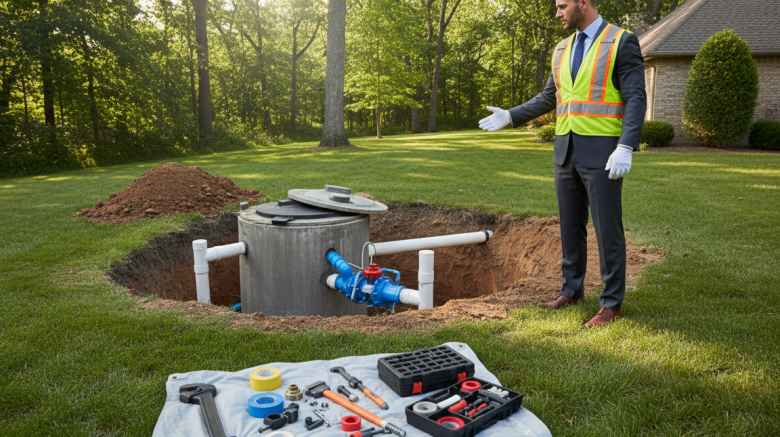
The condition of your entire home drainage system depends on what happens in that buried concrete or plastic container in your lawn. This buried chamber processes every drop of waste from toilets, sinks, showers, and washing machines. An efficient tank should always be filled with water. If levels drop, it might indicate effluent is escaping.
Click here about septic pumping

More info about septic pumping

Read the details about septic pumping
As wastewater flows in, processed water exits to the drainage area. Helpful microorganisms in the dirt finish the cleaning process. This biological process keeps your land and surroundings sanitary.
Controlling built-up waste is more than just regular maintenance. It is the cornerstone for your septic tank’s longevity. Without this care, you face the chance of total failure costing thousands to resolve.
Every treatment unit naturally collects two different zones. Dense waste settles to form a thick bottom layer. Fats, oils, and greases float up to form a top barrier.
Without regular attention, these barriers expand. They eventually interfere with the unit’s ability to process and filter household wastewater correctly. This disruption can cause major problems.
Excess material can flow into the leach field. This causes clogs that can cause household backups or waste surfacing on the lawn. These scenarios generate sanitary risks and property damage.
Professional cleaning by technicians like Septic Services of LA ensures complete extraction. They extract both the base and top layers while checking for concealed issues. Their detailed service safeguards your asset.
| Proper Sediment Management | Ignored Maintenance |
|---|---|
| Stops waste entering the leach field | Lets sludge obstruct the field |
| Keeps separation process working | Leads to layer disturbance |
| Extends system lifespan to 25+ years | Leads to premature system failure |
| Stops high-cost repair bills | Demands pricey field repairs |
| Protects the ecosystem | Risks soil and groundwater pollution |
| Keeps real estate worth high | Causes yard damage and odors |
Scheduled cleaning prevents solid waste from entering parts meant solely for water. The absorption bed is not built for hard waste. If debris gets out, they cause clogs that are costly to fix.
Ignoring this essential maintenance is the primary reason for tank malfunction. Outcomes involve harm to the home, environmental harm, and potential legal penalties. Grasping why this task matters helps homeowners recognizing its value.
Good stewardship needs to be essential for all homeowners. This applies regardless of tank dimensions or age. It secures your asset while ensuring smooth functioning for many years.
Through focused attention, you keep a healthy, functional wastewater treatment setup. You avoid emergencies and safeguard your house and nature. This information gives you the power to choose wise care options.
Knowing Your Tank: Essential Information
The route of household water from your pipes back to the environment entails three critical stages that each property owner should understand. This knowledge creates the basis for correct maintenance and helps you spot issues before they become emergencies.
The majority of homes employ a conventional gravity-fed setup. It uses nature’s methods to treat wastewater safely.
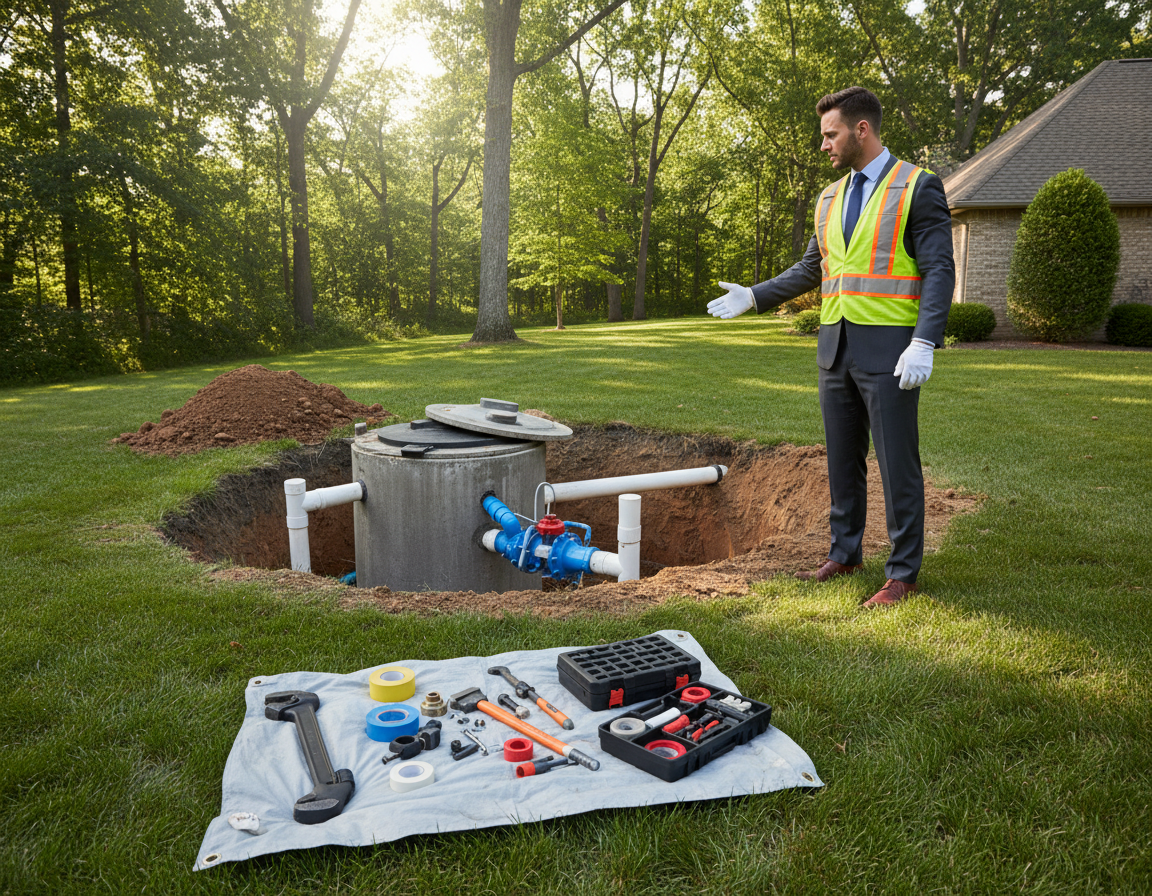
The Major Elements: Container, Absorption Area, And Plumbing
Each septic system possess a trio of connected sections working together. Your home’s plumbing transports every drop of sewage to the main septic tank.
This includes all flow from toilets and sinks to baths and laundry units. A single main sewer line transports this waste away from your house.
The treatment chamber itself is where the splitting happens. Solid matter falls to form a dense base while oils and lighter waste rise to the surface.
Partially treated liquid, called effluent, then moves to the last cleaning zone. This drain field uses soil and naturally occurring microorganisms.
These beneficial microbes filter and clean the water before it returns to groundwater. The complete operation safeguards your land and the local ecosystem.
Diverse materials and layouts impact how your setup functions. Cement and durable plastic are common chamber materials.
Some units have a single compartment whereas others utilize two chambers for improved processing. A baffle and screen serve a vital function in many modern designs.
This component keeps solid materials within the main tank. It only allows liquid effluent to pass through to the leach field.
Specialized providers like Septic Services of LA can identify your specific configuration. They offer tailored recommendations based on your system’s specs.
How Your System Processes Household Wastewater
When flushing occurs or empty a basin, that water starts a careful treatment journey. Initially, it flows through your home’s pipes to the buried treatment chamber.
In the vessel, biological activity starts dissolving organic materials. Inorganic substances and excessive fats don’t break down so quickly.
They accumulate over time and need regular care. This settling action forms three separate layers within the chamber.
A clear middle layer of treated liquid develops betwixt the sludge and scum. This liquid subsequently moves to the soil absorption area for last-stage purification.
Your drainage field, also called a leach field or lateral field, finishes the treatment. Ground bacteria perform the final filtration stage.
They remove leftover contaminants prior to liquid joining the groundwater system. This biological cycle is efficient when all components work properly.
Understanding this basic flow helps homeowners spot when something isn’t right. Sluggish pipes or unusual odors often indicate a problem in the treatment chain.
Routine cleaning of the outlet filter stops debris from escaping. This easy job saves your drainage area from costly clogs.
Various tank types and styles have unique maintenance needs. Concrete may develop cracks over time whereas polyethylene can withstand certain soil conditions more effectively.
This core info empowers you to make informed decisions about care. You’ll better recognize early warning signs and talk clearly with service techs.
Basic visual inspections and mindful household habits aid your setup’s longevity. These go hand-in-hand with professional inspections to prevent big problems.
The Makeup Of Septic Waste: Solids And Grease
Homeowners often wonder what really occurs to sewage once it exits their drains. It comes down to two distinct accumulations that develop within the septic tank.
These zones form organically as part of the settling phase. Knowing their differences is vital for effective upkeep and avoiding serious problems.
The Base Layer: Dense Solids Accumulation
The dense accumulation at the floor of your system is termed the sludge zone. It is made of heavy organic materials that settle out from household wastewater.
This involves toilet paper fibers, food particles, and various organic debris. These materials are denser than water, so they naturally sink to the bottom.
Naturally occurring anaerobic bacteria work to break down some components. But, this bacterial action is slow and partial.
As years pass, the layer gradually thickens regardless of microbe activity. This diminishes the available volume for proper wastewater treatment.
When this accumulation gets too near to the outlet baffle, problems start. Wastewater won’t settle correctly, and solids might flow into the leach field.
Periodic checking aids in deciding when professional pumping is needed. This prevents blockages and protects your entire system from harm.
Examining Scum: The Floating Grease Layer
Sitting on top of the liquid is the scum mat. This accumulation is consists of substances less dense than liquid.
FOG (Fats, Oils, Grease), detergents, and some floating debris create this barrier. Many household cleaning products add to its creation.
Unlike the sludge below, these substances are hard for bacteria to eat. They form tough crusts and foam that microbes can’t easily digest.
When this mat grows, it might clog the entry pipe. It further stops necessary venting within the treatment chamber.
Too much grease accumulation causes several warning signs. Sluggish pipes, gurgling sounds, and bad smells frequently happen.
Here’s a comparison of these two critical accumulations:
| Sludge Layer Characteristics | Scum Properties |
|---|---|
| Forms at the very bottom of the unit | Forms a crust on top |
| Made of dense solid waste | Composed of fats, oils, and greases |
| Drops down due to weight | Rises due to low density |
| Bacteria eat some of it | Does not break down easily |
| Checked from the base | Gauged from surface down |
| Issues arise near baffle | Problems start at inlet |
Both layers require routine checks and professional attention. How fast they grow rely on various home variables.
Number of residents, water consumption patterns, and trash habits all matter. What you flush or put in the sink impacts buildup rate.
Important steps that lower both layers are:
- Applying enzymes carefully
- Not using bacteria-killing cleaners
- Spreading laundry loads throughout the week
- Installing and maintaining outlet filters
- Getting regular tank checkups
Understanding these two distinct accumulations gives owners control. It allows you to make informed decisions regarding maintenance and recognize early warning signs.
This knowledge aids you to talk clearly with service professionals. It also guides everyday routines that protect your septic system asset.
Why Professional Septic Tank Sediment Removal Is Non-Negotiable
Trying to handle your home’s wastewater accumulation lacking expert skills risks your household’s safety and your home’s worth. This job is not simply draining a tank.
It requires handling hazardous materials with specific safety rules. Licensed pros from companies like Septic Services of LA provide essential training and equipment.
Industrial-grade pumping equipment totally clears both sludge and scum layers. Homeowner attempts often leave significant material behind, leading to more frequent problems.
This unseen buildup can trigger total breakdown eventually. Failed wastewater treatment results in expensive cleanup and repair costs.
Harm could reach your property or even adjoining properties. Sewage backups inside your home create health hazards and need professional remediation.
Town officials can issue fines for bad sewage handling. Contaminated runoff violate environmental regulations and public safety codes.
The reason expert help is better compared to DIY approaches:
| Pro Service Advantages | Dangers of DIY |
|---|---|
| Deals with gas risks correctly | Risk of asphyxiation from toxic gases in confined spaces |
| Removes every bit of waste | Incomplete cleaning leaves material that causes quick refill |
| Checks for cracks and leaks | Fails to spot needed repairs |
| Transports waste to approved treatment facilities per regulations | Improper disposal may violate local health department rules |
| Sets perfect cleaning schedule | Guessing at timing leads to either wasteful or insufficient service |
| Creates maintenance records for property transactions and insurance | No records hurts resale |
| Preserves system warranties through certified procedures | Unapproved methods may void manufacturer protections |
| Provides emergency response when warning signs appear | You can’t fix urgent backups |
Routine checks periodically spot minor problems before they grow. Technicians examine effluent screens, look for damage, and assess drainage field function.
Their trained eyes identify worries residents may overlook. Finding leaks early prevents minor issues from becoming major disasters.
Sewage laws mandate hauling waste to legal treatment plants. Licensed professionals handle this logistical challenge securely and lawfully.
They guarantee contaminated water keeps out of drinking water sources. This guards both your property and the surrounding environment.
Paying for expert cleaning is far more cost-effective than total breakdown. Replacing a leach field costs thousands more than regular care.
Urgent fixes frequently run 3-5x more than standard rates. Proactive maintenance saves money while extending your system’s lifespan.
Companies like Septic Services of LA provide service plans. These plans make sure your tank gets cleaned on time.
Their expertise considers family size, water habits, and tank age. This custom strategy boosts efficiency and prevents problems.
Service logs are useful when selling a home. Buyers appreciate proof of upkeep of the septic setup.
Insurers might ask for maintenance proof for coverage. Local laws frequently require professional maintenance records.
If trouble starts—clogged pipes, smells, or wet lawns—rapid response teams prevent disasters. Fast action stops minor issues from getting worse.
Professional sediment removal protects your investment and your health. It’s not an optional task but an vital part of responsible homeownership.
Guide To Checking Your Septic Tank Accumulation
Doing a DIY check gives you valuable knowledge regarding your septic system. This proactive method lets you know when to call experts like Septic Services of LA.
Take these three actions to measure the waste inside your unit. Always prioritize safety and consider having professionals handle the task if you feel unsafe.
Step One: How To Locate And Open The Tank
The first step involves finding your buried treatment chamber. Look at house plans or look for sewer pipe exits from your home’s foundation.
Ground-level indicators are risers, vents, or patches of greener grass. Once located, dig gently around access lids if underground.
Take care not to damage components or plumbing connections. Always work with a partner and ensure good ventilation while removing covers.
Hazardous gases like sewer gas might exist. If you discover any cracks or seepage during access, mark them down for expert fixing.
Step 2: Measuring The Scum Layer
The floating top layer needs a specific measurement technique. You’ll need a straight pole with a white cloth attached to the end.
Lower the stick into the tank contents. Keep it in place and move it slightly for 30 to 60 seconds.
The absorbent material will stain where it touches the grease. This mark indicates the depth of the scum mat.
Match your findings to safety limits. The scum must not be within 3 inches of the outlet or exceed 6 inches thick.
Step Three: Gauging The Deep Solids
The heavy sludge is measured differently. Use an L-shaped pole lowered through the scum layer until it hits something soft.
Notch this spot on the stick where it hits the sludge. Then push the pole down until it reaches the floor of the container.
Mark this second point. The gap between the points shows the depth of the sludge.
This buildup must not exceed 33% of the tank’s height. Nor should it get within 12 inches of the exit baffle.
Record both measurements in a service diary. This real info helps determine if cleaning is due.
| Self-Inspection Parts | Professional Inspection by Septic Services of LA |
|---|---|
| Basic visual assessment of access area | Deep dive into system health |
| Manual measurement of scum and sludge layers | Accurate digital measurement |
| Limited ability to detect structural issues | Identifies broken baffles |
| No waste handling or disposal | Complete pumping service with proper waste disposal |
| Check filter if reached | Power washing baffles |
| Risk of injury or sickness | Professional safety protocols and equipment |
| No official documentation for records | Valid maintenance proof |
Many tanks benefit from yearly looks. Tiny units or households with more water use might require checks more often.
These numbers inform you when to book a clean-out. Calling before layers reach critical levels prevents drainage field damage.
Remember that Septic Services of LA can do these checks on your behalf. Their expertise guarantees right results and spotting issues fast.
This smart method extends your system’s lifespan. It also protects your yard from sewage backups and ground contamination.
Essential Upkeep Jobs: Screen Rinsing And Visual Inspections
Lots of people focus only on emptying times, missing two maintenance tasks that prevent typical breakdowns. These easy inspections protect your drainage field and prevent expensive emergencies.
Your system has a built-in guardian that stops solids from leaving. Cleaning this item is just as vital as periodic pumping for longevity.
Combined with a close inspection at the tank walls, this habit creates a full maintenance strategy. It extends the time between professional services and lets you rest easy.
How To Find, Remove, And Clean The Outlet Baffle Filter
This crucial component sits in the outlet pipe or second chamber of your tank. It acts as a final sieve, catching particles before water moves to the leach field.
Locate it by looking for a handle or a brightly colored piece within the riser. Newer systems often make this part easy to identify and access for service.
Always wear gloves and use a hook tool when handling the filter. Be cautious of the dangerous fumes and don’t drop tools into the tank.
After pulling it out, clean it with a strong stream from your water hose. You can also dunk it in a bucket of water to loosen debris.
Spray all the muck back into the septic hole. Never use chemical cleaners, as they kill the natural bacterial balance in the tank.
Check the filter for cracks, breaks, or stuck debris while washing. A damaged filter cannot do its job and needs immediate replacement.
Pros suggest checking and cleaning this part every one to two years. A blocked screen stops water flow, which can cause backups.
If you hate this job, firms like Septic Services of LA offer filter cleaning. Their staff make sure it is done safely and thoroughly.
Checking For Damage, Seepage, And Tank Integrity
When the lid is off for screen washing, take time to spot other issues. A visual check can show early issues that are inexpensive today but costly later.
Inspect the interior walls, baffles, and pipe connections carefully. Look for tiny fractures, corrosion, or evidence of leaking.
Check the inlet and outlet pipes for blockages or shifting. Good water movement through the system is key for good function.
Look around the exterior of the buried structure for clues. Evidence of water entering or sewage leaking out in the dirt are serious red flags.
Soggy ground or unusually lush grass above the tank often points to a leak. This type of failure can pollute the water table and needs fast expert fixing.
It is smart to dig up the lids for a total checkup every few years once the tank is older. This proactive step finds hidden issues.
Write down issues you discover with notes or photos. Share this information with a licensed pro for an accurate assessment.
Septic Services of LA offers comprehensive structural inspections in their package. Their experience can spot potential damage that untrained homeowners might miss.
Pairing filter cleaning with occasional inspections builds a wall against system failure. This know-how empowers you to maintain a healthy, functional wastewater treatment setup for your home.
When To Call The Professionals: Pumping Schedules And Warning Signs
The difference between routine maintenance and costly disaster is usually about seeing the signs quickly. Understanding when to book versus when to make an emergency call saves your house and money.
This knowledge changes you from a reactive homeowner to a proactive system manager. You’ll learn to interpret what your wastewater setup is telling you via obvious signs.
Recommended Pumping Frequency Based On Tank And Household Size
Forget arbitrary calendars. Your pumping schedule must rely on measurable facts regarding your home. This custom method ensures efficiency and prevents problems.
Four key factors decide how often your unit needs attention. These include its capacity, household size, water usage, and waste levels.
A standard 1000-gal tank serving a family of four typically needs expert cleaning every three to four years. Smaller units or larger households require service sooner to function properly.
Use these objective measurement guidelines to schedule service at the optimal time:
- Book a clean-out when the sludge layer reaches 33% capacity
- Call a pro when sludge comes within 12 inches of the outlet pipe
- The scum layer means pump now if closer than 3″ of the outlet
- Any scum accumulation measuring 6 inches thick requires immediate attention
Regular inspections annually or bi-annually provide the data you need. These tests measure layer thickness and identify potential issues early.
| Usage Factors | How Often To Pump | Key Measurement Triggers |
|---|---|---|
| Standard tank, 4 people | Every 3-4 years | Sludge 12″ from exit or 33% full |
| Tiny tank, heavy use | 2 to 3 year intervals | Scum blocks flow |
| Big tank, small family | Every 4-5 years | Yearly check data |
| Heavy disposal usage | Pump 1 year sooner | Faster sludge buildup |
| Lots of laundry/showers | Increase frequency by 1-2 years | Less settling time |
Urgent Red Flags: Sewage Backups, Odors, And Drainfield Issues
Certain alerts demand immediate professional intervention. Overlooking these signals causes property damage and health risks that are costly to repair.
Waste backing up into toilets, showers, or sinks is a clear emergency. This shows the whole system is broken.
Bad smells indoors or around the unit area signal major issues. The odors won’t resolve without expert fixing.
Sluggish drains throughout your home suggest system-wide issues. One slow sink could be a clog, but many slow drains mean the septic is full.
Bubbling noises in pipes when using fixtures show air blockages. This occurs when flow is blocked through the system.
Puddles forming or unusually lush grass on the leach field means the field is failing. Leaking sludge block the dirt, preventing proper treatment.
During any emergency situation, immediately reduce using water in your home. Then contact professionals like Septic Services of LA to stop more harm.
Their emergency team responds quickly to diagnose and resolve emergencies. You can reach them at (555) 123-4567 for routine service or emergency situations.
Documenting all service and inspections creates valuable records. This shows maintenance when selling and may be required by local health departments.
Knowing the timing and signs empowers you to make smart decisions. You will understand when to book pumps vs calling 911 for septic.
Proactive Practices To Minimize Sediment Buildup
Simple changes in your water consumption and dispose of waste can significantly prolong the gap between professional cleanings. The finest maintenance for your underground wastewater setup occurs daily in the house.
Consistent habits protect your investment and prevent emergencies. They help routine pumping for complete protection.
Pros like Septic Services of LA emphasize four key pillars for success. They are regular checks, water efficiency, proper disposal, and leach field protection.
Conscious Water Use And Trash Habits
The volume of water through your home directly affects your underground treatment unit. Excessive volume floods the settling time.
This pushes solid materials into the leach field where they cause damage. Saving water allows time to separate.
Use these tips to maintain balance:
- Repair leaks and leaking valves at once
- Install efficient showerheads and faucet aerators
- Spread laundry loads throughout the week
- Run appliances only with full loads
- Don’t leave water running unnecessarily during tasks
What you put down drains matters just as much as how much water you use. Your disposal choices can save or destroy the good bacteria in the tank.
The microbes need specific conditions to break down organic materials effectively. Some cleaners hurt their delicate environment.
Reduce harsh chemicals, antibacterial soaps, and bleach-based products. Opt for biodegradable alternatives whenever you can.
Don’t dump kitchen grease in the sink. These substances harden and form scum mats that bacteria cannot process.
Overusing the disposal introduces fine food particles. These increase accumulation rates faster than bacteria can work.
What Never To Flush Or Pour Down Your Drains
Your toilet and sink drains are not garbage bins. Lots of regular things cause immediate problems or damage over time.
Non-biodegradable materials won’t decompose in your treatment unit. They pile up and need pumping sooner.
Set strict rules on what not to flush:
- Tampons and pads
- Baby wipes, even those labeled “flushable”
- Floss, Q-tips, and loose hair
- Butts, pills, or latex
- Paper towels, napkins, or facial tissues
- Kitty litter of any kind
- Paint, solvents, or automotive fluids
- Coffee grinds or stickers
These items block everything. They cause jams that result in overflow and expensive repairs.
Certain liquids actually kill the helpful bacteria essential for waste breakdown. Without the bugs, sludge builds up fast.
| Good Practices | Bad Habits |
|---|---|
| Saving water with appliances | Running multiple high-water activities simultaneously |
| Laundry over several days | Doing all laundry in one day |
| Fixing drips immediately | Ignoring leaks |
| Putting grease in the trash | Grease down the drain |
| Using biodegradable cleaning products | Regular use of bleach and chemical cleaners |
| Composting kitchen waste | Overusing the disposal |
| Bins in every bath | Flushing trash |
These smart steps aid professional services. Companies like Septic Services of LA can review your usage.
They give custom advice based on occupancy and water habits. Their expertise guides you that save your tank.
Regular inspections every few years verify that your daily practices are effective. Pros measure accumulation rates and adjust recommendations as needed.
Good maintenance protects your drainage field from dying early. It also saves money by reducing how often pumping becomes necessary.
Remember that the whole system depends on balance. What happens in your home directly affects the tank.
Consistent, mindful habits are the foundation of trouble-free operation. They complement expert service for complete system health.
Final Thoughts: guaranteeing A Durable Septic System
The real price of wastewater care is not in regular checks, but in the total disaster that neglect guarantees.
Working with pros like Septic Services of LA for professional pumping and inspections is your best bet. This cost is tiny compared to the thousands needed for new leach fields or major repairs.
Combine their expertise with your smart routines for a total plan. Correct trash habits and saving water reduce buildup between pumps.
Save receipts of all maintenance to monitor the tank through the years. A cared-for system can give years of smooth service.
View this care not as a bill, but as vital insurance for your home and the neighborhood. By following this guide, you secure peace of mind for years to come.