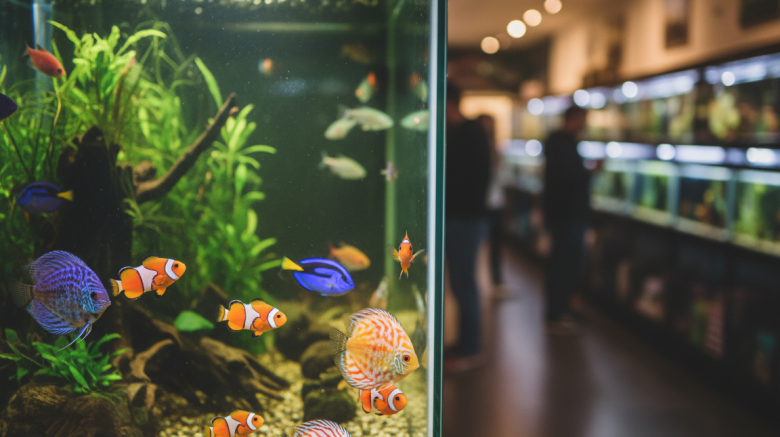
The moment I walked into my nearby aquarium store, a tank full of Neon Tetra (Paracheirodon innesi) caught my eye. These little fish darted across the background with electrifying speed. Sitting at about CAD $4.49 per fish, with hundreds available on the spot, proved to me that colourful, budget-friendly freshwater species can refresh any space economically.
Learning more about freshwater fish for sale online has shown me how crucial it is to compare pricing and stock information. For example, the Green Neon Tetra and Ember Tetra are priced at CAD $5.49 each. Knowing the husbandry notes and acclimation guides is critical in deciding whether to purchase in-store or online.
With species like Neon Tetra, Galaxy Rasbora, Pygmy Corydoras, Bristlenose Pleco, Kuhli Loach, and guppies, I aim to guide you. If you choose to pick up tropical aquarium fish at a local shop or browse options online, the variety is truly vibrant and easy to find for U.S. enthusiasts.
Why I Go With Tropical Aquarium Fish For Sale: Advantages And Attraction
I choose fish that significantly improve the eye-catching beauty of my tank, supporting my aesthetic goals. Species like Neon Tetra, Cardinal Tetra, Ember Tetra, and Boesemani Rainbowfish are selected for their striking colors and schooling behavior. This choice creates an right-away visual impact. I carefully plan the placement of these fish against a dark substrate, highlighting their colors. By using plants as a backdrop and border, I enhance their display and deepen the tank’s visual style.
Visual Impact And Colour-Rich Species
Colour-rich species provide an instant visual boost. The Powder Blue Dwarf Gourami and Peacock Gudgeon, as examples, become standout centrepieces. In smaller tanks, GloFish Danio and Ember Tetra are great choices. Before making a purchase, I thoroughly research the size, ideal tank, temperature, and dietary requirements of each species. That homework ensures that I create beautiful, low-stress aquascapes.
Variety For Every Skill Level
I match my fish choices to my experience level. Novices benefit from the straightforward upkeep of Guppies, Platies, and Neon Tetra. Intermediate hobbyists can try Bristlenose Pleco, Honey Gourami, or Glass Catfish. More advanced keepers may look for Bolivian Ram or dwarf cichlids. Stock lists and species guides offer valuable information on schooling behavior and planting techniques, catering to all levels of expertise.
Freshwater Exotica: Cost And Maintenance Benefits
Freshwater “exotics” can be a budget-friendly alternative to marine setups. Most freshwater species are cheaper to buy and rely on simpler equipment. With rare tropical fish for sale available via local breeders and reputable tropical fish stores, this becomes these options accessible without the major expense. So I can enjoy exotic fish without the ongoing expense associated with marine life.
Top Brilliant Species I Recommend To Buy
I pick species that deliver color, behavior, and simplicity to planted community tanks. I base my choices on how commonly they’re stocked, breeder recommendations, and availability when purchasing online or in person. That helps ensure a varied and colourful aquatic environment.
Schooling Smalls For Planted Community Tanks
For colourful schools, I rely on Neon Tetra, Ember Tetra, Galaxy Rasbora, Mosquito /”Chilli/” Rasbora, and Green Neon Tetra. They flourish when kept in groups of at least six. I maintain moderate lighting and dense planting to boost color and minimise stress.
Eye-Catching Centrepiece Fish
When I want a focal fish, I opt for Powder Blue Dwarf Gourami, Koi Angelfish, Boesemani Rainbowfish, or Crowntail Betta. Each one needs particular conditions and temperature ranges. I check care guides and seller notes to ensure compatibility before purchase.
Practical Bottom-Dwellers And Tank Helpers
I incorporate Bristlenose Pleco, Otocinclus, Kuhli Loach, Pygmy Corydoras, and Nerite snails for algae control and substrate maintenance. Plecos need driftwood and hiding spots, while Kuhli loaches prefer soft substrate and cover. I verify availability with breeders and stock lists to source these helpers affordably.
I split my buying between local shops and online dealers. That strategy helps me reach a wide variety of fish and compare prices. It also enables me to acquire rare species through online marketplaces.
How I Evaluate Quality When Buying Tropical Aquarium Fish
Prior to buying, I evaluate several key factors. My aim is to keep stress low and avoid surprises after the purchase. I look for clear eyes, intact fins, and steady breathing upon arrival.
Health And Behaviour Observations
I observe active swimming, proper schooling, and normal feeding responses. Fish with visible parasites, wounds, or rapid gill movement are avoided. For scaleless species, like loaches, I’m extra vigilant due to their quicker disease manifestation.
I check shipping and transport timelines to understand recent stress exposure. Whenever I can, I utilize second-source acclimation notes and water parameter sheets to ensure a smooth transition into my tank.
Source Transparency And Bred Versus Wild-Caught
I prefer captive-bred stock for species like tetras, danios, guppies, and many rasboras. Captive-bred fish tend to be hardier and often come from more ethical breeding programmes. I seek clear vendor provenance and descriptions to ascertain if a fish is wild-caught or captive-bred.
I raise questions about breeding history and lineage paperwork with sellers. This diligence aids in selecting reliable sources for tropical fish, reducing the likelihood of surprises.
Stock Levels And Availability
I monitor inventory flags such as “in stock,” “low stock,” and “available soon.” These labels help me plan the timing of my buys. If Neon Tetras are easy to find in quantity, I move forward. If Galaxy Rasboras are scarce, I plan ahead or contact breeders.
When it comes to rare or niche tropical fish, I contact breeders and specialty sellers to reserve or inquire about upcoming shipments. Being proactive saves time and lowers risk when hunting harder-to-find species.
Practical Buying Options: Where I Buy And How I Order
I have divided my fish acquisition into three distinct avenues, ensuring compatibility with their care requirements and minimizing mortality rates. Each route has trade-offs that affect cost, selection, and how much stress the fish experience. Below are the criteria I use to choose between a local pet store, a reputable online vendor, or a direct breeder.
Local fish stores enable me to personally evaluate the fish’s health and behavior, circumventing the risks associated with shipping. I scrutinize for signs of vitality, such as clear eyes, steady swimming, and normal respiration. Teams at stores such as Aquatic Arts or Petco may offer details on recent arrivals and give useful acclimation guidance. For common species like guppies, tetras, corydoras, plecos, shrimp, and snails, I prefer local inventory to minimize transport-related stress.
Online retail broadens my access to rarer community fish and specialty color morphs. When I buy online, I focus on detailed acclimation guides, temperature ranges, and quarantine protocols. I prefer sellers who clearly disclose shipping timelines, packaging methods, and customer feedback on platforms like LiveAquaria or That Fish Place. For delicate species—Glass Catfish or Kuhli Loach, for example— I only consider vendors with a proven track record of successful shipping.
Breeders and specialty sellers are my first choice for unique or ethically sourced fish. For uncommon species like Boesemani Rainbowfish or rare rasboras, direct communication with breeders is essential. I inquire about the breeding program, recent spawn images, and any health records. Checking breeder reputation in forums and hobby groups, asking for clear photos, and confirming return or replacement policies are all critical before I buy.
- Check health and behavior in person when possible.
- Check online listings for temperature, quarantine, and shipping details.
- Request breeders for breeding records, photos, and references.
In balancing convenience with the welfare of the fish, I select the most suitable tropical fish store based on the purchase context. For everyday community fish, local shops are ideal. For rare species or specific lines, reputable online sellers and trusted breeders are often superior. In the end, solid acclimation planning creates a smoother transition and supports fish health.
Setting Up My Tank For Success After I Buy Tropical Aquarium Fish
I plan my aquarium setup in detail, shaping it around the needs of the fish I buy. When selecting tropical aquarium fish for sale, I meticulously consider factors such as adult size, activity level, and compatibility. For example, small species like tetras and rasboras flourish in densely planted tanks ranging from 10 to 30 gallons. By contrast, species like Boesemani Rainbowfish and Roseline Torpedo Shark necessitate larger spaces, requiring tanks of 30 to 50+ gallons to accommodate their schooling and active nature. Large cichlids such as Cyrtocara moorii require 75+ gallons and strong décor/structure for territories.
Matching Fish With Tank Size And Temperament
Before I add any fish to the tank, I meticulously document the minimum tank size and maximum length each species can tolerate. I focus on keeping schooling smalls together to minimise stress. This approach contrasts with the strategy of housing territorial large cichlids alongside timid community fish, a combination that often leads to aggression and loss. When assessing temperament, I rely on breeder notes and direct observations in-store. This careful selection helps prevent aggression and protects every tank inhabitant.
Water Parameters And Acclimation Methods
I adjust water conditions with care so they align with each species. For instance, Neon Tetras thrive in temperatures ranging from 68 to 78°F, while GloFish Danio prefer a slightly cooler range of 64 to 75°F. Powder Blue Dwarf Gourami require a warmer environment, between 72 and 82°F, and Kuhli Loach benefit from even warmer water, ideally between 79 and 86°F. During the acclimation process, I ensure that temperature, pH, and GH levels are closely matched to prevent stress.
For newly arrived fish, I employ drip acclimation and quarantine for at least two weeks. This approach lets me catch problems early and prevents illness from moving into the main tank. I maintain a vigilant approach, regularly testing water parameters and logging these readings during the initial month post-introduction of new fish.
Tank Decor And Planting That Mimic Natural Habitats
For a more natural feel, I focus on heavy planting, driftwood, and dim lighting for species such as Neons and other shy fish. For fish that like open space, I design the tank with moderate flow and ensure adequate oxygenation. I include caves and smoother substrate so loaches and corydoras can forage naturally.
- I run with dark substrate to enhance the intense colors of rainbowfish.
- I add ample hiding spots for Kuhli Loach and other shy bottom-dwellers.
- I work in driftwood and leaf litter to cater to the preferences of plecos and wood-loving species.
When sourcing tropical aquarium fish, I compare local stores, breeders, and reputable online sellers. By selecting healthy stock and meticulously planning the tank setup, I ensure that investing in tropical fish is a worthwhile long-term endeavor.
Finding Rare And Exotic Fish: My Tips For Tracking Down Rare Tropical Fish For Sale
When hunting rare tropical fish, I adhere to a disciplined strategy. I begin by scouring through reliable sources for information. Then I closely examine the claims sellers make. This process both saves time and lowers the risk of acquiring stressed or unhealthy specimens.
I consistently rely on reputable tropical fish breeders and specialty retailers. I seek out detailed photos of broodstock and fry, as well as shipment notes and a seller’s history on forums such as Practical Fishkeeping and FishLore. Breeders who publish breeding logs make me far more confident.
Hobbyist forums and Facebook groups are key for validating a seller’s reputation. I scrutinize member reports regarding delivery, hardiness, and long-term survival. I prefer sellers who share detailed lineage info and tank requirement notes.
Reliable Breeders And Specialty Forums
- I judge breeders by their reputation, photos, and references from fellow hobbyists.
- I check forum threads for direct experiences with a seller’s stock.
- I prioritise breeders who document breeding cycles and post recent fry images.
Seasonal Availability And Pricing Considerations
- I monitor stock flags indicating low availability, which often correlates with higher prices.
- I match my buying to breeder fry cycles to secure better pricing and healthier fish.
- I budget a budget for species requiring special care or larger tanks.
Ethical Sourcing And Conservation-Minded Choices
- I prioritize captive-bred specimens over wild-caught ones whenever feasible.
- I inquire about sourcing details and avoid vendors who cannot confirm captive propagation.
- I choose species propagated by certified breeders to mitigate pressure on wild populations.
I maintain a shortlist of sellers and set alerts for exotic fish for sale that fit my preferences. If listings highlight rare colour morphs or delicate species, I pose detailed questions about acclimation and quarantine practices before making a purchase.
When I encounter rare tropical fish for sale, I balance my excitement with caution. Thorough vetting and a commitment to ethical, captive-bred stock from trusted breeders enhance survival rates and promote responsible hobby practices.
Care Costs And Ongoing Maintenance For Affordable Tropical Fish
When planning a new tank, I aim to keep costs manageable to avoid unexpected expenses. Upfront costs usually include the aquarium, filter, heater, substrate, and decor. I hunt for deals on tropical aquarium fish, as species like Neon Tetras, Ember Tetras, guppies, and small corydoras typically cost between CAD $12–$22 per unit. This price range varies based on size and the supplier.
Ongoing expenses add up over time. I allocate funds for food, replacement filter media, test kits, water conditioner, and monthly water changes. With a mixed community tank, I plan for varied diets and occasional medications. More demanding species, including large cichlids, need bigger tanks and heavier filtration, so both startup and ongoing expenses climb.
To estimate expenses, I use a simple checklist that aids in straightforward planning.
- Upfront gear: tank, stand, filter, heater, lighting, substrate, decor.
- Livestock costs: buy tropical aquarium fish from trusted sellers or local stores.
- Per month: food, media, test kits, electricity, water treatments.
- Sometimes: medications, replacements, new equipment for growth.
Feeding requirements change depending on the fish. Omnivores like tetras and danios do well on high-quality flakes and frozen mixes. Carnivores and semi-carnivores, including certain gouramis and killifish, gain from frozen or live meaty foods like brine shrimp or bloodworms. Algae eaters require algae wafers, blanched vegetables, and driftwood. Maintaining a small stock of varied foods ensures I can introduce new fish without stress.
My feeding plan uses portion control and rotating food types weekly. This helps minimise waste and keeps costs more stable.
Regular health monitoring is a weekly task. I watch for signs of stress, parasites, fin rot, ich, and bacterial infections. Scaleless fish—some loaches, for instance—can be more sensitive to parasites. Bettas and gouramis need stable water and gentle handling to stay stress-free.
I quarantine every new fish and use slow acclimation to reduce shock. A basic medication kit and a dependable test kit are essential to keep on hand. If a fish shows symptoms, I isolate it, test the water, and act promptly. These practices help keep costs under control and lower losses when purchasing tropical aquarium fish for sale or sourcing affordable stock from local breeders.
Final Thoughts
Exploring the realm of tropical aquarium fish for sale has revealed a gateway to creating dynamic, diverse underwater worlds. With budget-friendly schoolers, striking centrepieces, and useful bottom-dwellers, there’s something for every skill level. Whether I venture into local shops or scour tropical fish online, the spectrum of colors and species ensures that I can craft tanks that resonate with my aesthetic and financial constraints.
My journey has underscored the importance of selecting captive-bred fish whenever feasible, ensuring compatibility with tank size and water conditions, and adhering to recommended acclimation and quarantine protocols. This approach minimizes the risk of unexpected expenses and ensures the well-being of my aquatic companions.
When buying, I prioritize in-person inspections or scrutinize shipping and acclimation procedures for online transactions. Breeder forums and specialised seller communities are invaluable for finding rare species. Ultimately, I focus on replicating natural environments through thoughtful tank design, incorporating appropriate plants, substrates, and water flow. This dedication ensures my fish flourish and display strong, vibrant colour.
FAQ
What Are The Best Tropical Aquarium Fish For Sale For A Beginner Planted Community Tank?
For beginners, I recommend hardy, colorful schooling species. These can include Neon Tetra, Ember Tetra, Green Neon Tetra, Galaxy Rasbora, and Fancy Guppies. They are widely available, affordable, and thrive in groups of six or more. Moderate light, stable temperatures (68–78°F), and consistent water changes are key.